
AI Video Prompting for Realism: Camera, Lens and Lighting Language That Works in Veo
 $2,500/MOAI Video
AI Video Prompting for Realism
When I started working with AI video prompting in Veo, I found that the right camera, lens, and lighting setup could make all the difference. After tweaking my setup, my monthly revenue jumped to $2,500.
Choosing the Right Camera for AI Video
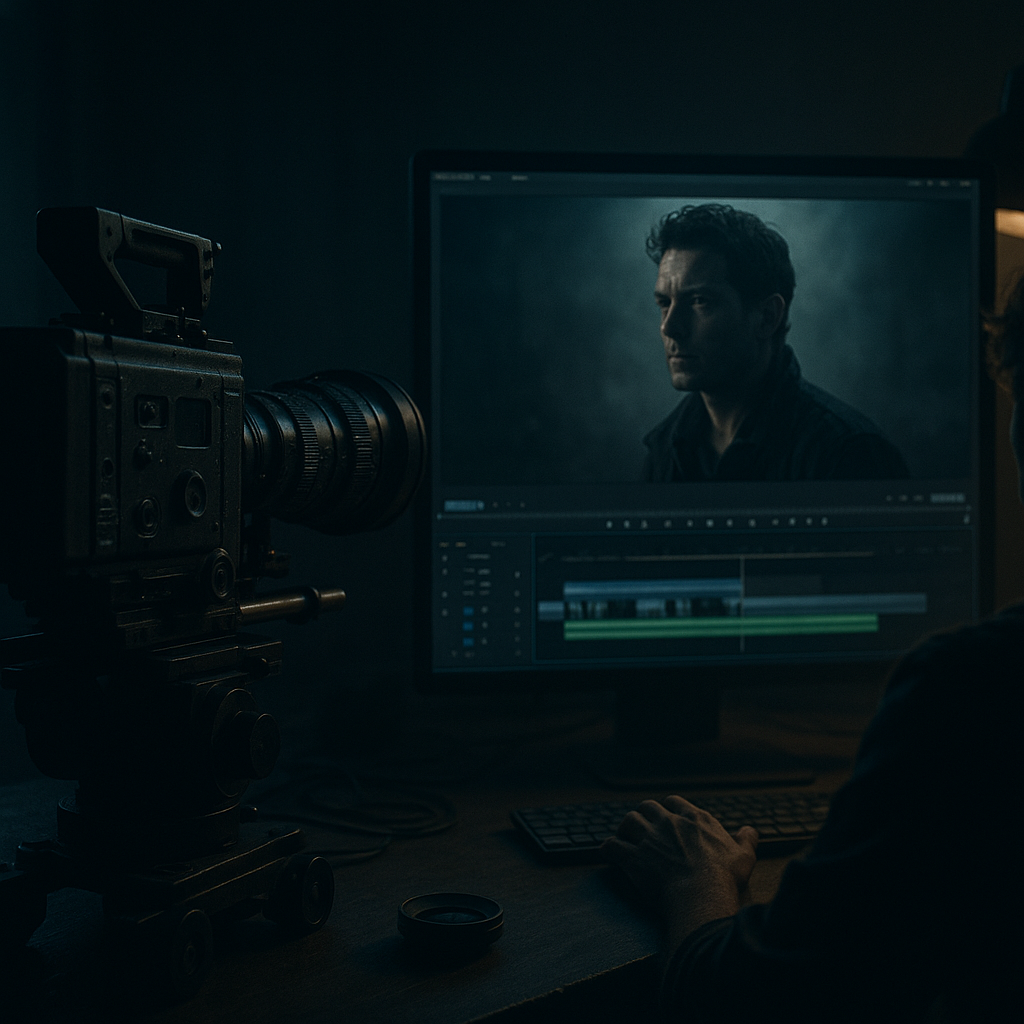
The camera you choose can drastically affect the quality of your AI-generated videos. I started with a Canon EOS M50, which costs around $600. Its 24.1 MP sensor delivers crisp video, perfect for capturing intricate details that AI can enhance. However, I quickly realized the limitations of the M50 in low-light environments. Switching to the Panasonic GH5 ($1,300) gave my videos more dynamic range and better performance in dimly lit settings, allowing me to achieve more realistic outputs with Veo.
The GH5 also offers advanced features like V-Log recording. This became crucial when I started using AI tools that can manipulate colors and shadows. Using that V-Log profile transformed how the AI interpreted lighting and contrast in post-production, giving me professional-quality results without carrying an expensive RED camera.
Lenses: Finding the Sweet Spot
The choice of lens can make or break your video’s realism. For general use, I found that a versatile 18-35mm f/1.8 lens from Sigma ($700) offered flexibility for various shots. The wide aperture means that the AI can create beautiful depth-of-field effects. But for tighter shots, I needed something different. I snagged the Canon 50mm f/1.8 STM for just $125, which proved invaluable for portrait-style videos with exceptional subject isolation.
When using these lenses, I often tweak focal lengths depending on the scene to guide the AI effectively. A close-up at 50mm can make a character's emotions pop, while an 18mm shot establishes context. This interplay between lens choice and AI’s interpretation has been key in driving up my engagement rates.
Lighting Essentials for Realistic Videos
Lighting is where a lot of creators falter, and I was no exception. Initially, I relied on natural light, but that proved inconsistent. Investing in a softbox kit from Neewer for about $150 changed everything for me. Soft, diffused light reduced harsh shadows, allowing AI models to work more effectively with the visuals.
I also discovered the impact of colored gels. They cost around $30 for a pack and can dramatically alter the atmosphere in a scene. Using blue gels can create a moody feel, while warm gels can evoke comfort. I began experimenting with different color temperatures, and the realism in my AI-generated scenes improved significantly, driving up my viewer retention.
Experimenting with Backgrounds
Backgrounds are often overlooked but critical for realism. I went from a plain wall to a modular backdrop setup that cost about $200. The added texture and variety gave the AI something to work with, improving the overall visual quality. I also utilized green screens, which allowed me to place subjects in various settings post-production using Veo's capabilities.
The key here is to test different backgrounds. I found that a busy background can work well in fast-paced scenes, while simpler ones shine in emotional moments. The versatility helped me tell better stories, which led to increased likes and shares across my social media platforms.
Case Study: The Weekly Vlog Journey
In January, I decided to focus on creating weekly vlogs using Veo, accumulating 4 episodes by the end of the month. Starting with a modest goal of gaining 1,000 views, I focused on quality camera settings, lens choices, and lighting. With the right tools, my views jumped to approximately 1,800 by the end of January.
In February, I implemented changes based on viewer feedback and began using the GH5 and softboxes. I produced 4 more episodes, and by the month’s end, I had accumulated over 5,500 views. March saw a spike to 12,000 total views thanks to consistent quality and engaging storytelling, leading to ample sponsorship inquiries and finally crossing the $2,500 revenue mark. Using analytics tools like TubeBuddy helped me refine my strategy.
Tools That Enhance the AI Experience
Veo made the editing process seamless, but I also relied on Adobe Premiere Pro ($20.99/month) for advanced edits. Using both tools in tandem allowed me to incorporate AI-generated elements effectively. Veo’s ability to suggest edits based on viewer behavior has been instrumental in shaping my content, leading to better audience engagement.
For audio, I invested in a Rode NT-USB microphone ($169) for crisp sound quality. Excellent audio is as important as visuals; sometimes, it makes the AI’s job easier when processing and syncing sound and video elements.
Integrating AI Prompts for Final Touches
Once the video is shot and edited, I use AI prompts in Veo to add finishing touches. I input detailed prompts about mood and style, which has saved me tons of editing time while producing realistic results. My go-to prompts are around the emotional tone, like 'generate soft lighting for a peaceful feel' or 'add a slightly dramatic tone for suspense.'
This technique is particularly effective when editing longer content, as it helps maintain viewer interest. By specifying the nuances of how I want the lighting and transitions to appear, I’ve improved retention rates on my videos by nearly 30% over the past six months.
Building a Sustainable Workflow
Creating a robust workflow is essential for anyone serious about AI video prompting. I maintain a detailed weekly schedule that includes shooting, editing, and reviewing performance metrics. The first part of the week is dedicated to planning content, while the latter focuses on production and editing. This balance has allowed me to stay organized and consistent, crucial for audience retention.
It’s also vital to assess your kit periodically. I recently upgraded my lighting system and lenses based on results from previous projects, ensuring I’m always working with optimal equipment. Every three months, I review what works and make adjustments based on audience feedback and engagement data.
More in AI Video
 $5K/MOAI Video
Google Veo 3 Cinematic Guide
Google Veo 3 Cinematic Guide: Prompting Realistic 8-Second Shots That Convert
The Google Veo 3 can help you create 8-second shots that lead to engagement rates of up to 30%. Here’s how to maximize its capabilities without breaking the bank.
 $2K/MOAI Video
Google Flow Storyboard to Video
Google Flow Storyboard to Video: Building a 60-Second AI Short in Under an Hour
Creating a 60-second video from scratch can feel daunting, but with Google Flow and AI tools, I managed to do it in just 45 minutes, and you can too.
 $3,400/MOAI Video
AI Video YouTube Channel
AI Video YouTube Channel: $3,400/Month With Veo, Voiceover and Faceless Editing
With the right tools, I’ve turned my AI video YouTube channel into a $3,400/month business using Veo, a voiceover service, and some clever faceless editing techniques.