
Skincare UGC on TikTok & Instagram: Content That Actually Converts
 UGCSocial Media
Skincare UGC on TikTok & Instagram
Unlock the secrets of creating skincare UGC that sells on TikTok and Instagram. Learn the formats, strategies, and tips to elevate your content game!
Understanding Skincare UGC
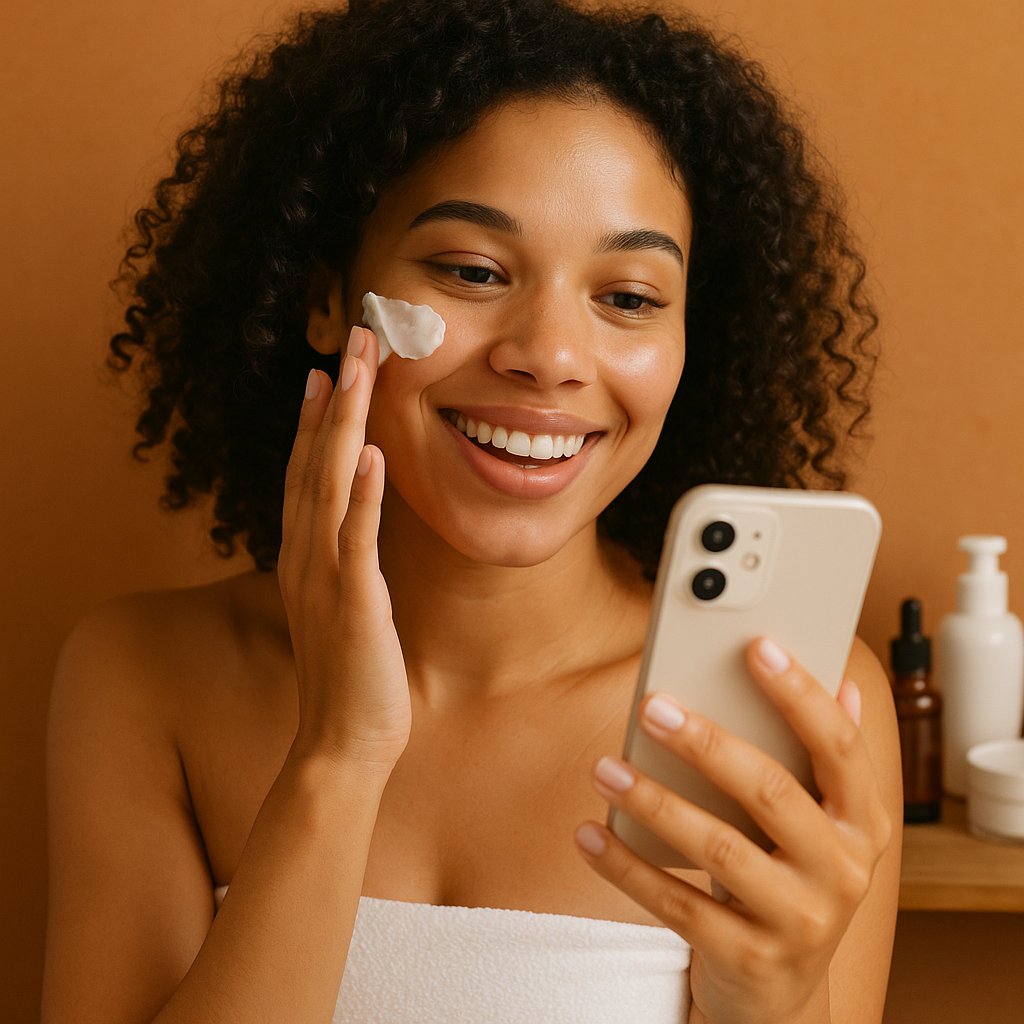
User-Generated Content (UGC) is authentic content created by users instead of brands. For skincare, this means showcasing real experiences with products. According to a 2023 study by Stackla, 79% of consumers say user-generated content highly influences their purchasing decisions. This makes UGC vital for skincare brands looking to connect with their audience. Brands are shifting budgets toward influencer marketing—spending over $15 billion globally in 2022, with a significant focus on TikTok and Instagram, where skincare content thrives.
Formats That Sell: Before/After
One of the most compelling UGC formats is the before/after video. This format visually demonstrates the effectiveness of a product. Start with a 5-7 second 'before' clip showing your skin's current condition. Follow with a 10-15 second 'after' clip after consistent use of the product for at least four weeks. Tools like InShot (free for basic use, $3.99 for Pro) can help you edit these videos. Include a strong hook to grab attention—like 'Watch my skin transform!'—and always end with a call to action (CTA) such as 'Check the link in bio for this must-have product!' Be sure to pair your video with relevant hashtags like #SkincareRoutine, #BeforeAndAfter, and #ClearSkinJourney.
Morning Routine as a Content Format
Your morning skincare routine can be a relatable and engaging piece of UGC. Keep your video around 30-60 seconds, showing each step of your routine while explaining the benefits of the products. Use a simple, clear editing tool like CapCut (free) to add text overlays that highlight each product's key ingredients. Start with a hook like 'Here's how I achieve glowing skin every morning!' and conclude with a CTA like 'What’s your morning routine?' This format works well with popular hashtags like #MorningRoutine, #GlowingSkin, and #SkincareGoals. Aim to post this content 3 times a week to keep your audience engaged.
Ingredient Explainer Videos
Educating your audience about specific skincare ingredients can position you as a knowledgeable source. Create a short, engaging clip—about 30-45 seconds long—focusing on one ingredient per video, such as Vitamin C or Hyaluronic Acid. Use a clean, bright setting with good lighting to film your explanations. Tools like Canva (free for basic use) can help create eye-catching graphics. Start with an attention-grabbing hook: 'Why is Vitamin C a game-changer for your skin?' End with a CTA like 'Swipe up to try this product!' Use hashtags like #SkincareIngredients and #LearnSkincare to reach a wider audience.
Unboxing Videos: Building Anticipation
Unboxing videos generate excitement and anticipation around new skincare products. Keep these videos around 1 minute long. Show the packaging, the first impression of the product, and your initial reactions. Use stable and bright lighting to make the video visually appealing. Tools like Adobe Premiere Rush (free trial available) can help with basic editing. Start with a hook like 'Let’s see what’s inside this mystery box!' and finish with a CTA like 'Stay tuned for my review!' Popular hashtags for unboxing include #Unboxing and #SkincareLover.
Effective CTAs and Hashtags
Call-to-Actions (CTAs) are crucial for directing your audience to take specific actions, such as visiting a product link or leaving comments. Use straightforward language: 'Check the link in my bio to shop!' or 'Drop your favorite skincare product in the comments!' For hashtags, research trending ones related to skincare, such as #SkincareCommunity and #BeautyTips. Aim to use 5-10 relevant hashtags per post to enhance discoverability. Tools like Hashtagify (free for basic features) can help find popular hashtags in your niche.
Posting Schedule: Consistency is Key
Establishing a consistent posting schedule can significantly improve your engagement rates. Aim to post 3-5 times a week on TikTok and Instagram. Utilize scheduling tools like Later ($12.50/month) to plan and automate your posts. Best times to post are generally between 9-11 AM and 6-9 PM based on your audience's activity. Monitor your engagement and adjust your schedule as necessary. Consistency helps build rapport with your audience and keeps them coming back for more.
What Brands Look for in UGC Creators
When brands are scouting for UGC creators, they typically seek authenticity, engagement rates, and niche relevance. Brands want to see that your content resonates with your audience and reflects genuine experiences. According to a survey by Influencity, 62% of brands prioritize engagement rate when choosing influencers. A well-defined personal brand and a visually appealing feed can set you apart. Do your research on the brands you want to work with, and tailor your content to meet their values and target audience.
Mini Case Study: Sarah’s Skincare Journey
Meet Sarah, a 24-year-old skincare enthusiast who began her UGC journey on TikTok. By consistently posting before/after videos and ingredient explainer clips, she grew her follower base from 500 to over 10,000 in just three months. Leveraging her engagement rates, she began collaborating with niche skincare brands, resulting in income ranging from $200 to $700 per partnership. Sarah emphasizes the importance of authenticity and maintaining a personal connection with her audience, which she believes is key to her success. Today, she continues to inspire others while monetizing her passion for skincare.
More in Social Media
 TIKTOKSocial Media
Faceless TikTok Brands
Faceless TikTok Brands: The Silent Revenue Machine
Unlock a steady income stream with faceless TikTok brands, leveraging creativity and strategy to build a revenue machine without showing your face.
 PLAY FREEGaming
Play Free Online Games and Challenge Your Friends on PlayTTS Games
Play Free Online Games and Challenge Your Friends on PlayTTS Games
Discover the free games on gameplay.playtts.com, learn how each mode works, and challenge your friends to beat your best score—no download or account required.
 $30/DAYFreelancing
How to Make $30 a Day With Assignment Work
How to Make $30 a Day With Assignment Work: A Real Step-by-Step Guide
A practical, no-hype guide to earning around $30 a day doing legitimate academic support work — tutoring, note-making, formatting, editing and research summaries — including where to find clients, what to charge, and how long it actually takes.