
TikTok to Instagram Cross-Posting: Doubling Reach Without Doubling Work
 $4K/MOTikTok
TikTok to Instagram Cross-Posting
I managed to grow my audience by 30% in just two months by cross-posting my TikTok videos to Instagram. With the right tools, you can easily double your reach without doubling your workload.

Understanding the Basics of Cross-Posting
At its core, cross-posting is about leveraging your existing content across multiple platforms. TikTok and Instagram serve different audiences, but there's a significant overlap, particularly among younger demographics. By sharing your TikTok videos on Instagram, you're not just increasing your visibility; you’re also capitalizing on the unique algorithms of both platforms.
While TikTok focuses primarily on short-form video content, Instagram offers different formats - from reels to stories to feed posts. This variety means you can get creative with how you present the same content. You could repurpose a TikTok dance challenge into an Instagram Reel and a behind-the-scenes 'making of' post for your feed, all from the same initial video capture.
Tools of the Trade: Scheduling and Management
To streamline the cross-posting process, using a scheduling tool is essential. I personally use Later, which has plans starting at $12.50/month. This tool allows you to schedule posts for both TikTok and Instagram, providing a clear visual calendar of your content. You can upload your TikTok video, and with a few clicks, set it to post automatically on Instagram at optimal times.
Another great tool is Buffer, which starts around $15/month. Not only does it support scheduling, but it also provides analytical insights into how your posts are performing on both platforms, which is crucial for refining your strategy over time.
Editing for Multi-Platform Appeal
When you create a TikTok video, the content may need slight adjustments to cater to Instagram’s audience. The editing tools within TikTok are robust, with effects, music, and filters that appeal specifically to its user base, and those features often don’t translate directly to Instagram. Tools like CapCut, which is free, can help you edit videos for different formats. For example, you might want to add captions that stand out more on Instagram or adjust the length to fit Instagram’s one-minute limit for Reels.
Consider your thumbnails as well. An eye-catching thumbnail can make all the difference; tools like Canva (free for basic use) can help you design custom thumbnails that attract clicks on Instagram.
Engagement Strategies That Work
Making videos is only half the battle; engaging with your audience is where the magic happens. After cross-posting a TikTok to Instagram, take the time to respond to comments and engage with followers. This can lead to increased visibility due to Instagram's algorithm favoring active accounts.
I typically allocate about 30 minutes a day to engage on both platforms—this includes replying to comments, liking other users’ content, and observing trends. During one particular month, my engagement strategy led to a rise in follower count from 2,000 to 2,600 on Instagram, showcasing how vital interaction is to growth.
Case Study: From 500 to 1,500 Followers in Three Months
In July, I started cross-posting my TikTok content on Instagram. Initially, I had about 500 followers on Instagram. I used Later for scheduling, and for the first month, I posted five TikTok videos to Instagram.
By August, follower count jumped to 900 as I tweaked my content strategy based on analytics. I engaged consistently and focused on trending challenges. In September, I hit 1,500 followers. Monthly tracking showed an increase in engagement rates from 3% to 7%, which is significant in this space. This simple cross-posting strategy effectively tripled my engagement without sacrificing too much extra time.
Analytics: Measuring Success
Once you begin cross-posting, understanding the analytics becomes pivotal. Both TikTok and Instagram offer built-in analytics tools. On TikTok, I track views, shares, and likes to understand what resonates with the audience. Instagram’s insights provide data on reach and impressions as well.
I set monthly goals based on these data points—like aiming for a 10% increase in engagement rates. For instance, in October, I had 15,000 total views across my content, and I made strategic adjustments for November based on what worked best. This data-driven approach is key to refining your cross-posting strategy.
Avoiding Common Pitfalls
Cross-posting can feel like a shortcut, but it’s essential to understand what does and doesn’t work across platforms. One common mistake is posting without considering platform-specific audience preferences. For example, while TikTok may favor trendy music, Instagram followers might appreciate more polished, storytelling content.
Also, be cautious about over-saturation. Posting the same content too frequently can alienate your followers. A good rule of thumb is to space your content out and personalize your captions and hashtags for each platform to maintain authenticity.
Future Opportunities: Monetization and Beyond
As you grow your audience through cross-posting, keep an eye on monetization opportunities. Both TikTok and Instagram have various partnership and sponsorship options. TikTok Creator Fund pays creators based on engagement, while Instagram offers affiliate marketing opportunities and sponsored posts.
I’ve seen friends turn their 10k follower mark into profitable sponsorships with brands looking to promote their products. These opportunities often arise naturally from consistent content creation and audience engagement—so don’t focus solely on numbers; focus on building genuine connections with your audience.
More in TikTok
 UK ACCOUNTTikTok
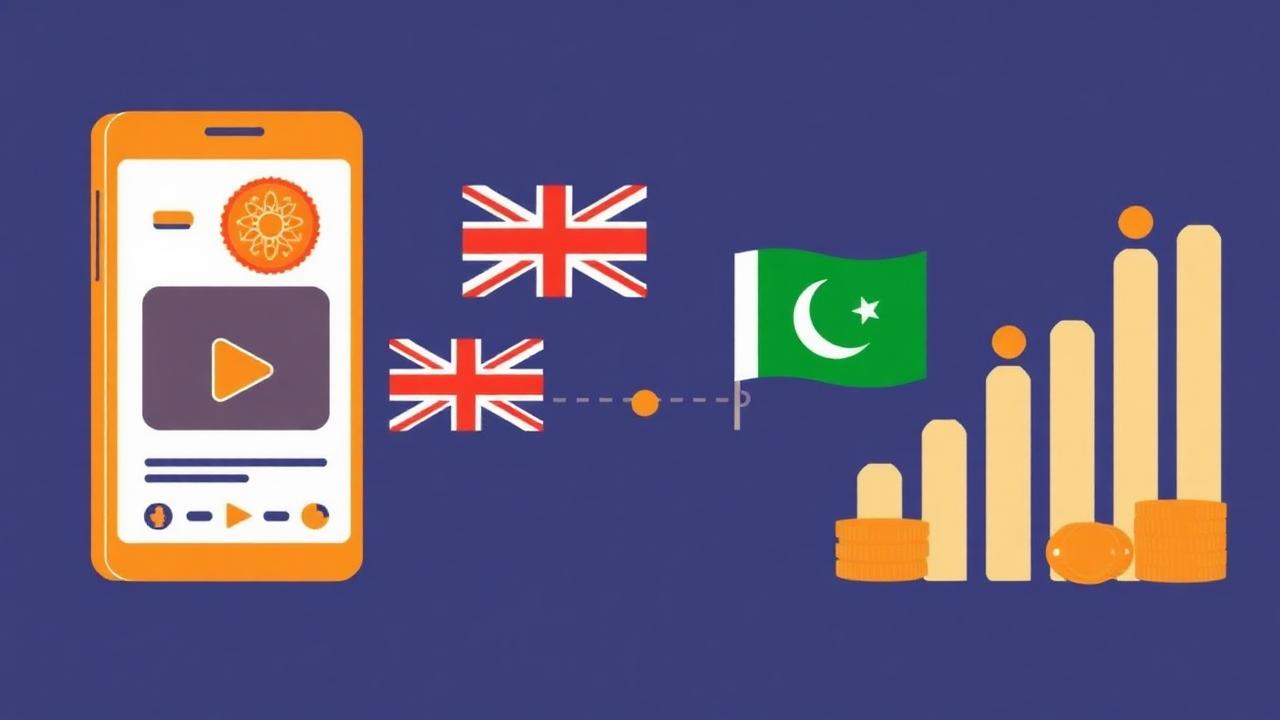
How to Create a UK TikTok Account and Earn From It While Living in Pakistan (Free Guide)
How to Create a UK TikTok Account and Earn From It While Living in Pakistan (Free Guide)
A clear, honest walkthrough of how a UK-region TikTok account actually works, what you can and cannot do from Pakistan, which monetisation options are realistically open to you, and how to get paid — with zero paid tools.
 $2K/MOTikTok
How to Make $2,000/Month with TikTok Live
How to Make $2,000/Month with TikTok Live: Real Case Study
This article delves into how creator Sarah Johnson generates $2,000 per month through TikTok Live by leveraging gifts, subscriptions, and strategic audience engagement.
 $1K/MOTikTok
TikTok Shop Affiliate Program
TikTok Shop Affiliate Program: Beginner's Guide to First $1K
Unlock the potential of TikTok Shop through its Affiliate Program and learn how to make your first $1,000 in monthly revenue with strategic product selection and organic content creation.