
Selling AI Agents to Local Businesses: $2,000 Setup Fee + $300/Month Retainer
 $2K Setup + $300/MOAI Tools
Selling AI Agents to Local Businesses
Selling AI agents to local businesses can be a lucrative model: charge a $2,000 setup fee and a $300 monthly retainer. In this blog post, I’ll walk you through the process, using real examples and numbers.

Understanding the AI Agent Landscape
AI agents are transforming how businesses operate, particularly in customer support, content creation, and data analysis. By integrating them, local businesses can enhance efficiency, reduce costs, and improve customer engagement. For example, solutions like Ada and Drift can automate responses to frequent inquiries, saving staff time and providing immediate assistance to customers.
A recent study estimated that AI could contribute up to $15.7 trillion to the global economy by 2030, with small businesses standing to benefit significantly. However, adoption remains slow due to initial costs and a lack of understanding among many local business owners. That's where you step in — as someone who can bridge the gap by selling these agents with a manageable setup and monthly fee structure.
Pricing Your Services: The $2K Setup + $300 Monthly Model
Setting a price involves balancing value with market expectations. A $2,000 setup fee allows you to cover initial costs: creating the AI model, integrating it with existing systems, and training it to suit the business’s specific needs. In contrast, the $300 monthly fee ensures ongoing support and updates, which are critical in the fast-evolving AI space.
Break down your offering to justify this cost. For instance, you might allocate revenue as follows: $1,000 for software licenses (like OpenAI's GPT-based tools), $700 for initial setup and customization, and $300 for your time spent on training and implementation. Highlighting this breakdown during sales pitches helps local businesses see the value in your service.
Step-by-Step Workflow: From Pitch to Implementation
Your workflow should be straightforward. First, conduct a needs assessment with the business owner. Identify their pain points — for instance, are they struggling with answering customer queries? Once you have clarity, propose how an AI agent can alleviate those issues.
Next, draft a proposal that outlines the setup and ongoing costs. If they agree, schedule a kickoff meeting to gather necessary information, like customer FAQs and existing tech systems. Using platforms such as Zapier, you can integrate the AI agent smoothly between apps. Following the setup, monitor the agent’s performance and make adjustments based on metrics like customer satisfaction scores and response times. This approach not only builds trust but showcases your commitment to their success.
Essential Tools for Building AI Agents
You’ll need the right tools to create and manage AI agents effectively. Consider investing in platforms like Google's Dialogflow, which offers a free tier, making it accessible for initial experiments. As your agency grows, you can transition to their paid plans which start at $0.002 per text query — this pricing can scale easily based on usage.
Another solid choice is Microsoft Bot Framework, which integrates well with their Azure services. The initial costs can run around $120/month for basic usage, going up based on complexity and scale. Ultimately, the key is finding a balance between affordability and capability, allowing you to cater to various businesses, from food delivery services to local retailers.
Mini Case Study: Local Cafe's Journey with AI
Let’s look at a local cafe, 'Brewed Awakening', which implemented an AI agent for order inquiries and reservations. In Month 1, after paying the $2,000 setup fee, they noticed a 20% reduction in customer service workload. Month 2 saw a spike in reservations, leading to a 30% increase in foot traffic. By Month 3, they reported saving approximately 15 hours of employee time per week, allowing staff to focus on improving customer experience.
Financially, this meant a return on investment within three months. The cafe owner noted that the monthly $300 for maintenance was negligible compared to the increased sales and reduced overhead. This showcases how a local business can transform its operations with AI, making a compelling case to prospects.
Challenges in Selling AI Solutions
Not every business owner will immediately understand or trust AI solutions. Common hurdles include a fear of technology failing, misconceptions about AI's capabilities, or simply a lack of awareness about its benefits.
To navigate these challenges, consider hosting educational workshops or webinars that demystify AI. Use simple, relatable examples to illustrate how AI can solve specific issues. Incorporating testimonials and real-world success stories from businesses like Brewed Awakening can also pave the way for trust. Persistence is key here; it might take several conversations before a business is convinced to invest.
Marketing Your AI Agent Services
Marketing your services effectively is crucial for growth. Start by building a clean, informative website showcasing your offerings, success stories, and clear pricing models. Utilize SEO strategies to attract local traffic. Consider using Google Ads where you can set a budget as low as $10/day to target small business owners searching for solutions.
Social media is another powerful tool. Share educational content and engage with local business communities on platforms like Facebook and LinkedIn. Networking with local chambers of commerce can open up doors to present your services directly to potential customers. The more visible you are, the easier it will be for local businesses to notice you.
Long-Term Relationship Building with Clients
Selling AI agents isn’t just about the initial setup; it’s about fostering ongoing relationships with clients. Regular check-ins and performance reviews can help ensure the AI agent remains effective, while also keeping clients engaged.
Consider setting up quarterly assessments where you evaluate the AI’s impact on the business and suggest necessary adjustments. This not only strengthens your relationship but can also lead to upselling opportunities, such as incorporating other services like advanced data analytics or expanding the AI's capabilities. Building a reputation as a reliable partner can lead to referrals and a steady stream of new clients.
More in AI Tools
 $3,500/MRRAI Tools
Selling AI Micro-SaaS
Selling AI Micro-SaaS: $3,500/MRR From a Weekend GPT Wrapper
Imagine pulling in $3,500 a month from a simple GPT wrapper you built over a weekend. This isn't just a fantasy; this is the reality I experienced by leveraging AI to create a micro-SaaS product.
 $5K/6 MonthsAI Tools
Selling GPT Prompts on PromptBase and Gumroad
Selling GPT Prompts on PromptBase and Gumroad: Real Numbers From 6 Months
In the past six months, I’ve made over $5,000 selling GPT prompts on both PromptBase and Gumroad. It wasn't a walk in the park, but the journey provided some valuable insights worth sharing.
 PLAY FREEGaming
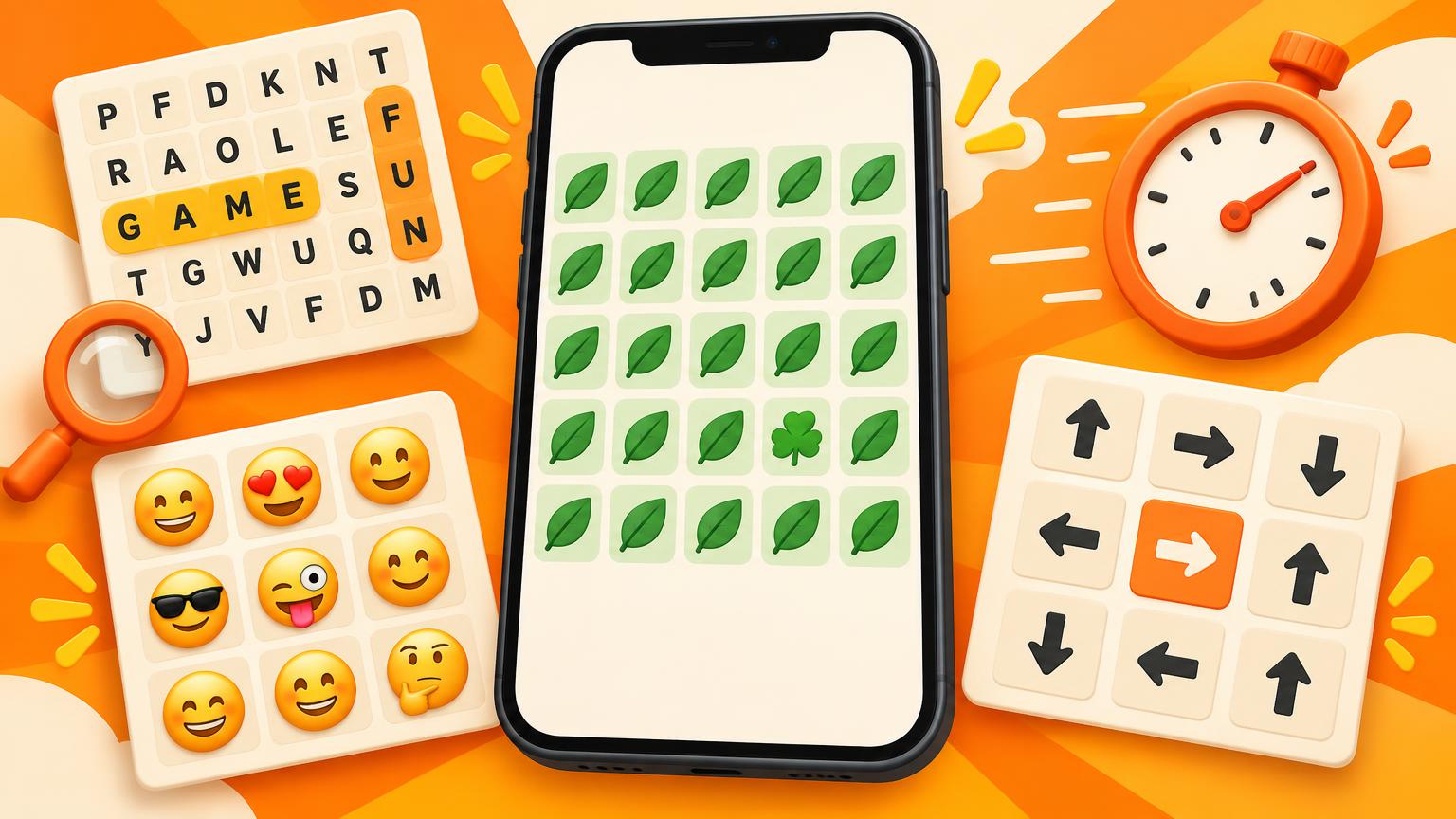
Play Free Online Games and Challenge Your Friends on PlayTTS Games
Play Free Online Games and Challenge Your Friends on PlayTTS Games
Discover the free games on gameplay.playtts.com, learn how each mode works, and challenge your friends to beat your best score—no download or account required.